Fall 2025
Basic nutrition and caffeine intake for firefighters
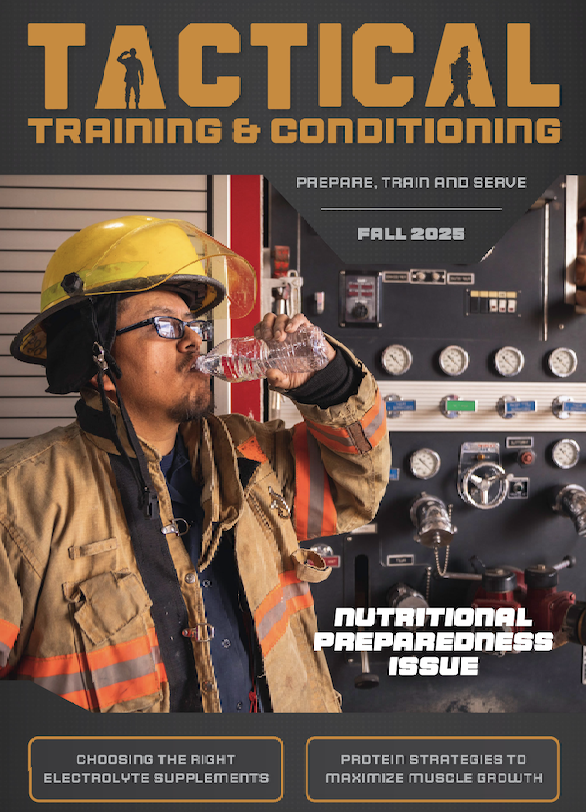
When you’re on shift, your body is your most important tool. Whether it’s hauling a hoseline up three flights of stairs, dragging a victim out of a structure, or just staying sharp during a long overnight call. What you put in your body can make or break your performance. Yet, too often firefighters fall into habits that hurt more than help, like grabbing fast food, skipping meals, or living off energy drinks and coffee.
The demands of the job
Firefighting is a high-output, high-stress career. Your body burns calories during calls, but also from interrupted sleep, heat exposure, and stress. That means your nutrition plan can’t look like the average desk worker’s. You need more protein, more water, and better carbs. Not just more calories, but better ones.
Unfortunately, many stations still run on a steady stream of takeout, sweets, and caffeine. The result? Energy crashes, weight gain, gut issues, and poor recovery. Worse, this kind of fuel sets you up for long-term health problems that could shorten your career or impact your retirement.
Back to basics: What to eat
A balanced plate is simple: lean protein, complex carbs, healthy fats, and plenty of vegetables. Here’s how that breaks down:
- Protein: Your muscles take a beating, and protein helps them recover. Go for chicken, turkey, fish, eggs, beans, or lean beef. Aim for a palm-sized portion with every meal.
- Carbs: Don’t fear carbs, just pick the right ones. Whole grains, old-fashioned oats, sweet potatoes, fruit, and brown rice provide steady energy without the crash.
- Fats: Healthy fats support your brain and joints. Avocados, nuts, seeds, and olive oil belong in your meals.
- Veggies: These should be half your plate. They hydrate, provide vitamins, and help keep your gut working right.
- Drinks: Just plain water. Nearly a gallon (3.7 liters for men, 2.7 liters for women), broken up into 8-ounce glasses throughout the day. Electrolyte drinks can be beneficial, but only after prolonged, intense exercise.
Think of food as fuel. The cleaner the fuel, the better the performance. If you eat garbage, you’ll feel like garbage.
Meal timing and shift work
Shift work messes with your hunger cues and digestion. When you’re up all night or catching sleep at odd hours, it’s easy to overeat or reach for junk.
Try these tips:
- Stick to a schedule: Eat at regular times when possible. This helps regulate blood sugar and prevents cravings or overeating later.
- Prep your meals: Bring your own meals or ingredients to the station. You’ll make better choices when healthy food is ready to go.
- Healthy snacks: Have healthy snacks packed for when you get busy. Beef sticks, nuts, or Clif bars help get through the shift and not make bad choices.
- Smaller, frequent meals: If big meals weigh you down, eat lighter but more often.
- Hydrate: Dehydration feels like hunger. Drink water steadily through your shift, especially after a fire or exercise.
The caffeine trap
Let’s talk about caffeine. Most firefighters rely on it. A morning coffee, a pre-workout drink, or an energy drink on a long call isn’t unusual. In small doses, caffeine can improve alertness, reaction time, and even physical endurance.
But there’s a line. Too much caffeine leads to jitters, irritability, poor sleep, anxiety, and even heart issues. The half-life of caffeine is 5-6 hours, which means that a late afternoon energy drink can still be affecting you at midnight.
» ALSO SEE: The effect of HIFT on performance and body composition
Here’s how to manage it:
- Know your dose: Stay under 400 mg of caffeine a day. That’s about four 8-oz cups of coffee or two energy drinks.
- Time it right: Stop caffeine at least 6 hours before sleeping.
- Watch hidden sources: Pre-workouts, sodas, and even some pain relievers contain caffeine.
- Don’t use it as a crutch: If you’re constantly tired, look at your sleep and nutrition first. Caffeine is a tool, not a fix for a bigger problem.
- Better Habits, Better Performance
- Small changes can go a long way
- Swap white bread for whole grain
- Choose grilled instead of fried
- Keep nuts or jerky in your turnout bag
- Drink water before every meal
- Get in the habit of cooking with your crew
Eating well doesn’t mean being perfect. It means making better choices more often. Firefighters need fuel that supports the job, not food that leaves you crashing at the worst time.
The bottom line
You train hard. You drill. You take care of your gear. Start treating your body the same way. Solid nutrition and smart caffeine use can improve the energy, focus, recovery, and long-term health of firefighters. Don’t wait for a health scare or a poor annual physical to make changes.
You’re expected to be ready for the call. Eating like a professional is part of the job.