Bridging sports and tactical nutrition
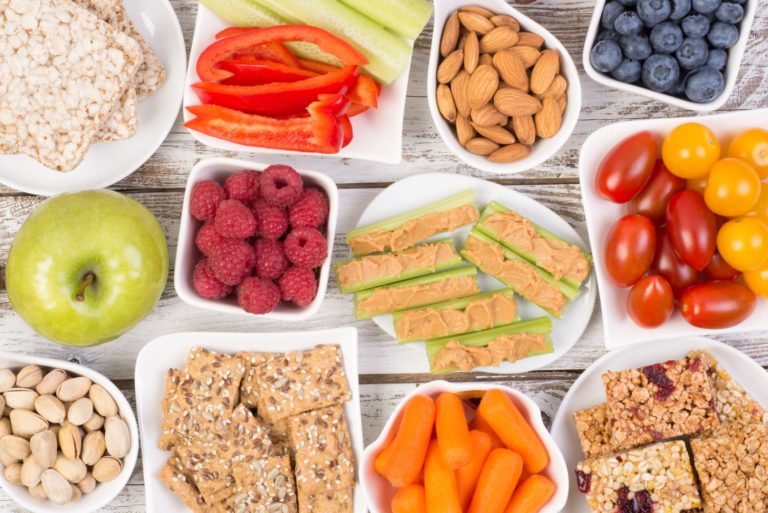
Sport athletes and tactical athletes — law enforcement officers, firefighters, military personnel and first responders — have careers that require a keen awareness of nutritional intake for optimal performance.
Proper nutritional adherence focuses on macronutrients — protein, carbohydrates and fats — the chemicals the body needs in large amounts for sustainability throughout the day. Water, also needed in large daily quantities, is referred to as a macronutrient but is not classified as one because it does not supply the body with calories. Water is critically needed before exercise, and a prehydration strategy should be implemented for improved performance.
The three macronutrients act differently but give the body calories and energy for daily activities. However, of all the macronutrients, carbohydrates are considered the body’s main fuel source.
For the body to perform at optimal levels, a proper understanding of these nutrients should be adhered to.
Understanding macronutrients
Carbohydrates come in three forms: simple carbohydrates, complex carbohydrates and dietary fiber, and they help prevent fatigue and sustain you not only in your workouts but also throughout the day.
What sets them apart are their units of sugar. Simple carbohydrates are fast-acting because of their structure and are used primarily for a short and quick burst of energy because they raise blood glucose levels.
Complex carbohydrates are slow-acting and appropriate for long-term energy. They replenish lowered glycogen levels in the body, raising energy levels during exercise or long sustained effort, which is much needed by the tactical athlete. Complex carbohydrates are found in whole grains, starchy vegetables, oatmeal and brown rice. Athletes often use them before athletic competitions and are beneficial because of sustained energy release in the bloodstream.
Unlike other carbohydrates, dietary fiber is not a major source of sugar, as it cannot be converted into glucose. The benefits of dietary fiber include lowering the overall amount of sugar in the food you eat, changing the carbohydrate content from overall carbs to net carbs.
It is also important to consider fiber’s level on the glycemic index (GI) chart. The GI ranks foods by carbohydrate content and their overall impact on blood glucose levels from a ranking of 0 to 100. Foods closer to 100 are more likely to have a significant effect on blood glucose levels. For example, low GI foods (up to 55) include oatmeal, pasta and sweet potatoes; medium GI foods (between 56 to 69) include brown rice, rye and whole wheat; and high GI foods (from 70-100 include white bread, melon, white rice, doughnuts, fruit juice, sodas, candy and cake. A personal favorite is a fast-acting simple sugar such as dextrose, which rapidly enters the bloodstream. Dextrose can be found in some childhood favorites such as gummy worms or Nerds gummy clusters.
Why are carbohydrates so important?
Tactical athletes need a keen awareness of nutritional intake for optimal performance, as they face myriad variables throughout their day that do not follow a traditional 9-to-5 model.
With the unique scheduling, individuals can face many challenges, as their circadian rhythm could be affected within a 24-hour cycle, as well as challenges in their physical, mental, cognitive and behavioral well-being. But a well-devised nutritional program focused on carbohydrates will provide the energy needed to alleviate fatigue during a shift.
A tactical athlete can engage in a physically demanding exercise program, such as resistance training, plyometric routines or agility and change-of-direction drills, which help them become a complete, tactical athlete. However, outside their designed exercise programs, tactical athletes burn more calories throughout the day as they carry external loads.
A police officer can carry an additional 20-30 pounds with their ballistic vest, radio, weapon and other tactical gear. A firefighter might carry anywhere from 35-75 pounds, depending on what they wear and what they need to carry, and a corrections officer on a special response team can carry similar external loads with their equipment. Finally, military personnel carrying rucksacks can be externally loaded with 35-85 pounds and more.
Why are proteins and fats so important?
Just as carbs fuel the brain and muscles for energy, help prevent the breakdown of hard-earned muscle, boost performance in exercise and at work and aid the body in rest and recovery, so do protein and healthy fats.
Protein, which are the basic building blocks of amino acids, are needed to replenish, store and rebuild our muscles and maintain healthy organs and tissues. Protein is commonly found in meat, fish, beans, tofu and some other plant-based sources.
Additionally, fats, which are grouped into saturated, unsaturated and trans fats, protect our internal organs, help absorb fat-soluble vitamins and structure our bodies’ cells. When too much energy is stored in the body, it is stored around our internal organs and referred to as visceral fat. Unsaturated and trans fats are considered the bad fats and raise low-density lipoproteins or LDL, more commonly known as bad cholesterol. Unsaturated fats raise high-density LDL, or good cholesterol, and are commonly found in avocados, nuts, seeds and in fish such as salmon and mackerel.
During exercise, we not only deplete our glycogen stores but also make tiny microscopic tears in our muscle fibers, which need to be replenished, specifically by consuming protein. For tactical athletes, a strong, commanding presence carries an element of confidence for the tactical athlete but also for the general public.◼︎