Summer 2026
Performance under pressure: Physiological training for modern police
A police recruit stands on the firing line after a conditioning drill. Breathing is rapid. Heart rate is elevated. As the command to present is given, a movement rehearsed hundreds of times suddenly requires greater concentration. The sights seem less steady. Grip pressure changes. Breathing becomes irregular. Decision-making begins competing with the body’s natural response to stress.
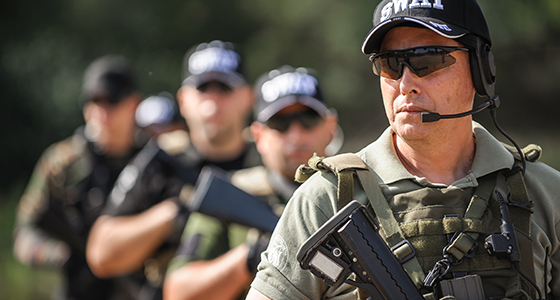
Later that week, a SWAT operator approaches the threshold during a close-quarters clearing exercise. Without realizing it, breathing becomes shallow before stopping altogether as the team makes entry. Muscle tension increases. Visual scanning narrows. Only during the postscenario debrief does the operator recognize they had been holding their breath throughout the room.
Different environments. Different experience levels. The same physiological challenge.
Agencies are recognizing that self-regulation under stress may be just as important as the ability to sprint, shoot or move efficiently. Controlled breathing, physiological awareness and immediate biofeedback are becoming valuable components of modern tactical training. Rather than attempting to eliminate stress, these strategies help operators recognize their internal response, regulate it and continue performing under pressure.
Performance begins with physiology
Physical preparedness alone does not guarantee optimal performance. As physical exertion and perceived threat increase, so does physiological arousal — heart rate rises, breathing patterns change, muscle tension increases and attention begins to narrow. These responses are normal and designed to prepare the body for action, but they can also influence movement quality, communication, decision-making and situational awareness if they are not recognized and managed effectively.
This distinction is important. An elevated heart rate should not automatically be viewed as a sign of poor performance or excessive stress. Tactical operations routinely require operators to perform and make critical decisions while taxed. The objective is not to maintain a low heart rate throughout an operation. Rather, it is to recognize the body’s response, regulate it appropriately and continue executing skills effectively.
This ability to regulate one’s stress response is a trainable skill and should not be viewed as separate from tactical training. They are practical strategies that help operators maintain efficient movement, sound judgment, effective communication and adaptability when operational demands are high. Increasingly, agencies are intentionally integrating them into training programs to prepare personnel for the realities of the job.
Training the response, not just the skill
Law enforcement training has traditionally emphasized repetition to build technical proficiency. While repetition is essential, many agencies are recognizing that technical proficiency alone might not fully prepare officers to perform under the physiological demands of critical incidents.
These approaches teach officers to recognize changes in their physiological state while continuing to execute the task at hand
As a result, self-regulation strategies are increasingly being integrated into training programs. These approaches teach officers to recognize changes in their physiological state while continuing to execute the task at hand. The objective is not simply to teach officers how to breathe but to help them recognize their physiological response, understand how it influences performance and develop practical strategies to maintain effective decision-making, communication and movement under pressure.
At Jabai Performance, these principles are adapted to meet the demands of each training environment. During police academy programs, controlled breathing and deliberate self-talk are reinforced throughout stress inoculation training, physical conditioning, firearms instruction and scenario-based exercises. Following periods of elevated physical exertion, recruits are encouraged to recognize their breathing patterns, regain physiological control and reinforce efficient presentation mechanics before progressing to the next drill. These moments provide opportunities to strengthen both movement quality and decision-making while physiological demands remain elevated.
The same concepts extend beyond the academy. During patrol in-service training, these exercises provide opportunities to reinforce physiological awareness during rapidly evolving incidents that require communication, sound judgment and adaptability. Within SWAT training, the operational demands become even more complex. In these environments, breathing, attentional control and self-regulation become skills that support the success of the mission.
Although training environments differ, the objective remains the same. Whether working with academy recruits developing foundational skills, patrol officers refining decision-making under stress or SWAT operators preparing for high-risk operations, the goal is to help personnel recognize their physiological response and continue performing effectively when the demands of the job are at their highest.
Closing the feedback loop
One of the greatest challenges is helping officers recognize what they experienced during a high-stress scenario. Following a physically and cognitively demanding exercise, instructors often ask questions like, “What were you thinking?” “What did you notice?” or “When did the situation begin to feel overwhelming?” These conversations remain an essential part of the learning process, but they are often based entirely on memory and personal perception.
Heart rate and other physiological measures do not determine whether an officer performed well or poorly, nor should they be used as a standalone measure of stress or performance. Instead, they provide additional context that helps instructors and operators better understand the physiological demands seen throughout a training evolution.
These same principles extend into academy and SWAT training. During tactical evolutions, physiological responses are monitored throughout the exercise and then reviewed during brief postscenario microdebriefs. Rather than focusing on the numbers, these discussions encourage operators to reflect on how their physiological response aligned with the decisions they made and how they performed throughout the scenario. One common observation during training is that many officers are unaware they have been holding their breath until the scenario is over.
Operators may recognize periods of breath-holding they were previously unaware of, identify moments when communication became more difficult or better understand how rapidly changing operational demands influenced their decision-making. Over time, this process strengthens physiological awareness and helps develop practical strategies to better regulate response during future training and in the field.
As tactical performance programs continue to evolve, physiological monitoring is becoming more than a method of collecting data. When combined with experienced instruction, thoughtful coaching and meaningful debriefing, it becomes a tool that helps officers better understand themselves. That understanding is ultimately what transforms information into improved performance.
The future of tactical performance
Mental conditioning should be seen as a natural extension of physical preparedness. Physical fitness, technical proficiency and tactical decision-making will always remain foundational to the profession. However, helping officers understand and regulate their physiological response under stress may be one of the most valuable investments agencies can make in preparing personnel for the realities of the job.
The goal is not to eliminate stress or create perfect physiological conditions; the goal is to prepare officers to recognize their response, adapt to it and continue making sound decisions when it matters most. Every opportunity to increase self-awareness becomes another opportunity to improve operational performance. As the profession continues to evolve, agencies that intentionally develop both physical skills and physiological self-regulation will be better positioned to prepare officers for the realities of modern policing.